THE AIR WE SHARE
Pittsburgh’s air is cleaner than it was.
But not everyone is breathing this improvement equally.
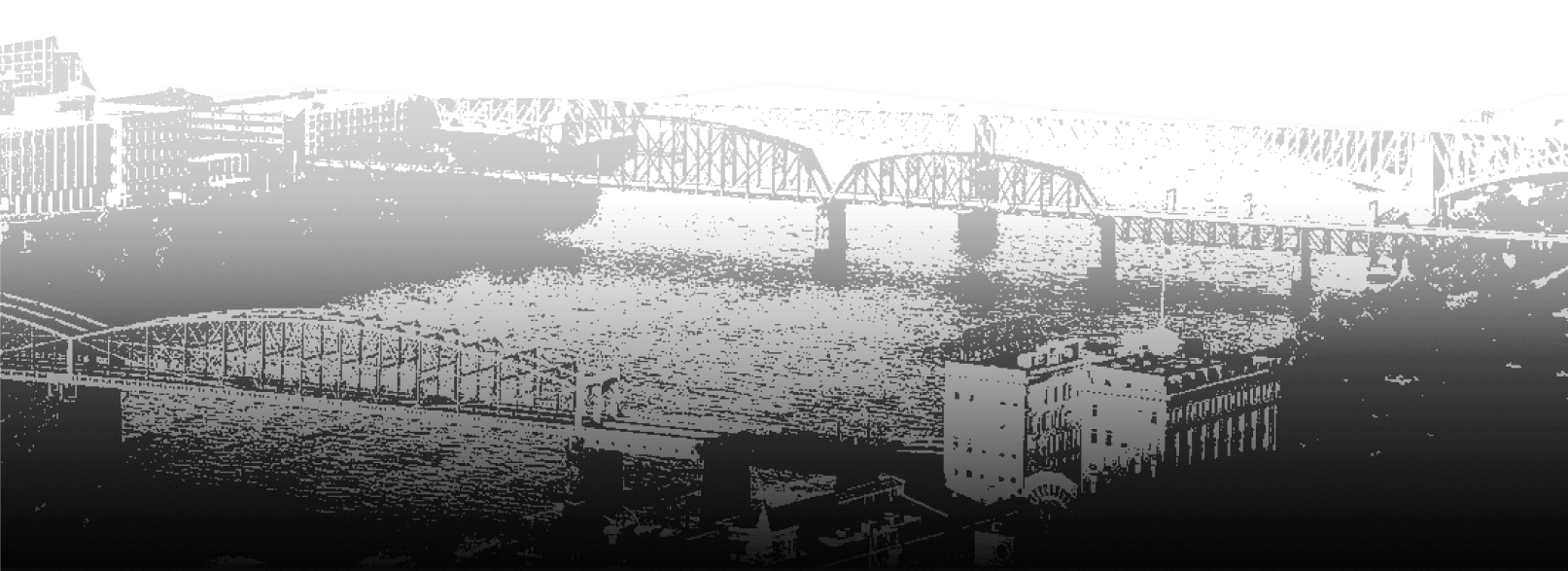
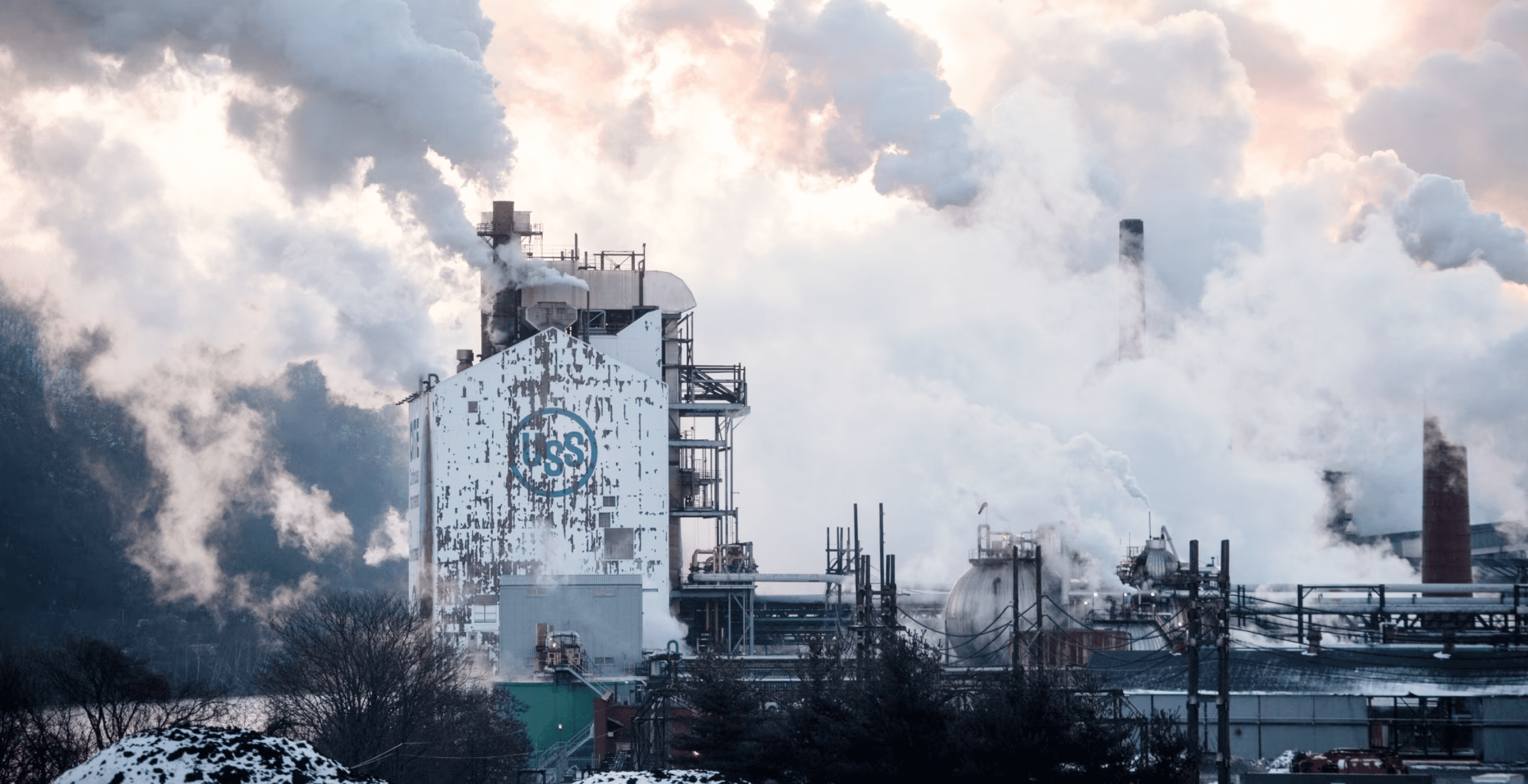
The air has improved dramatically in the last 20 years, but Allegheny County still receives failing air quality grades from the American Lung Association.
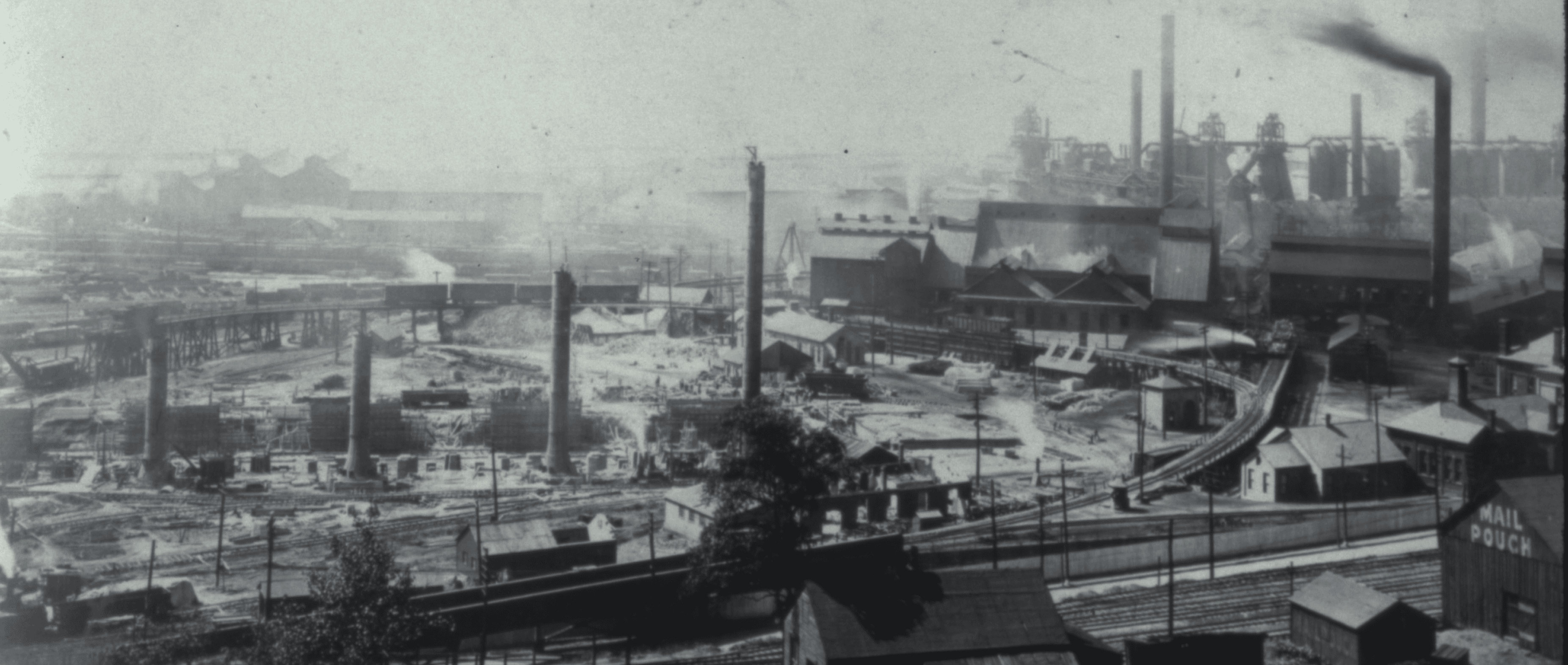
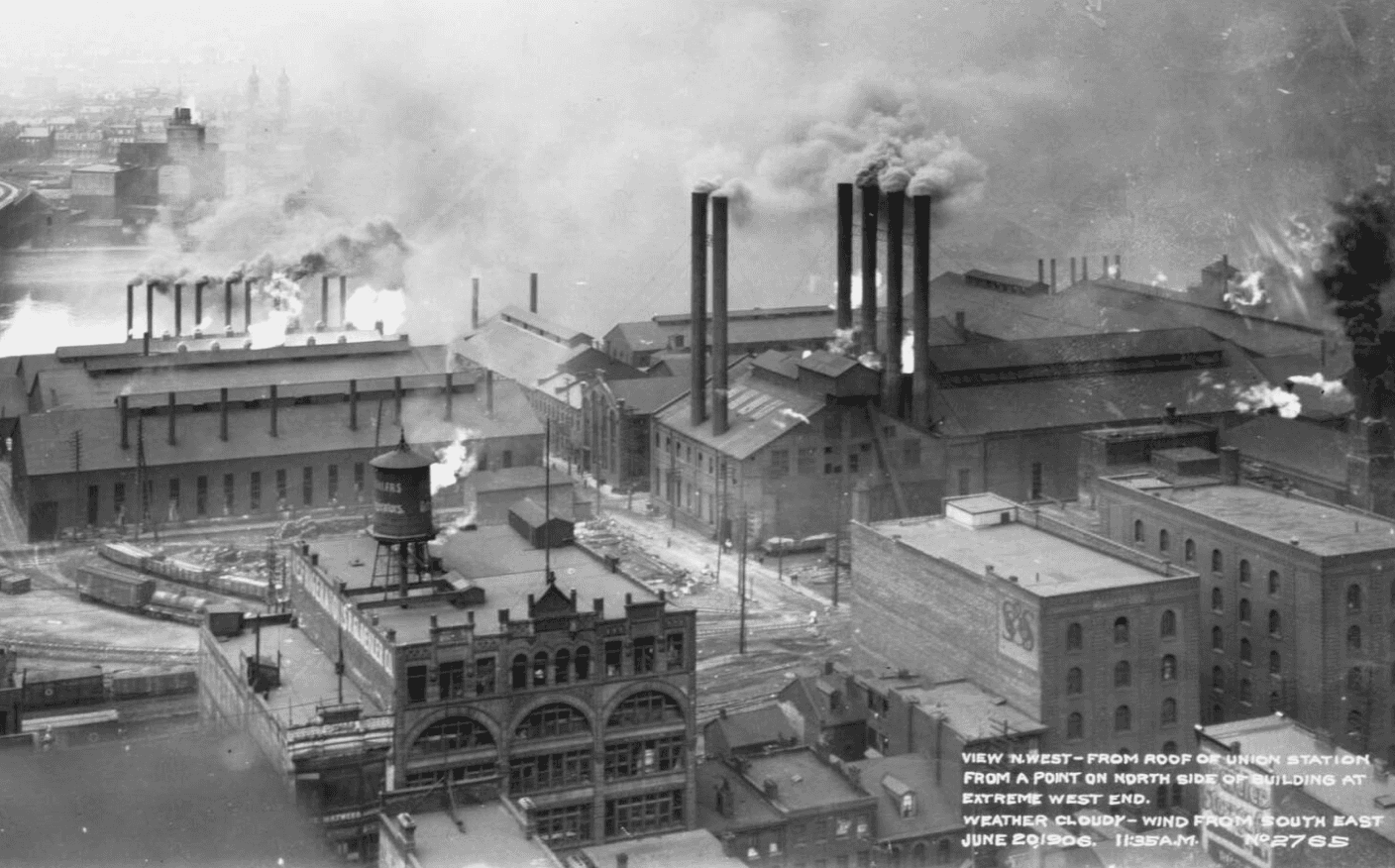
Pittsburgh has a long history of air pollution, dating back to the steel industry boom in the 20th century.
Pollution is not distributed evenly, and the way we measure it can hide that unevenness, resulting in cardiovascular and respiratory health effects.
Let’s look closer at how air pollution is monitored, calculated, and regulated in Allegheny County.
The Rise and Fall of “The Steel City”
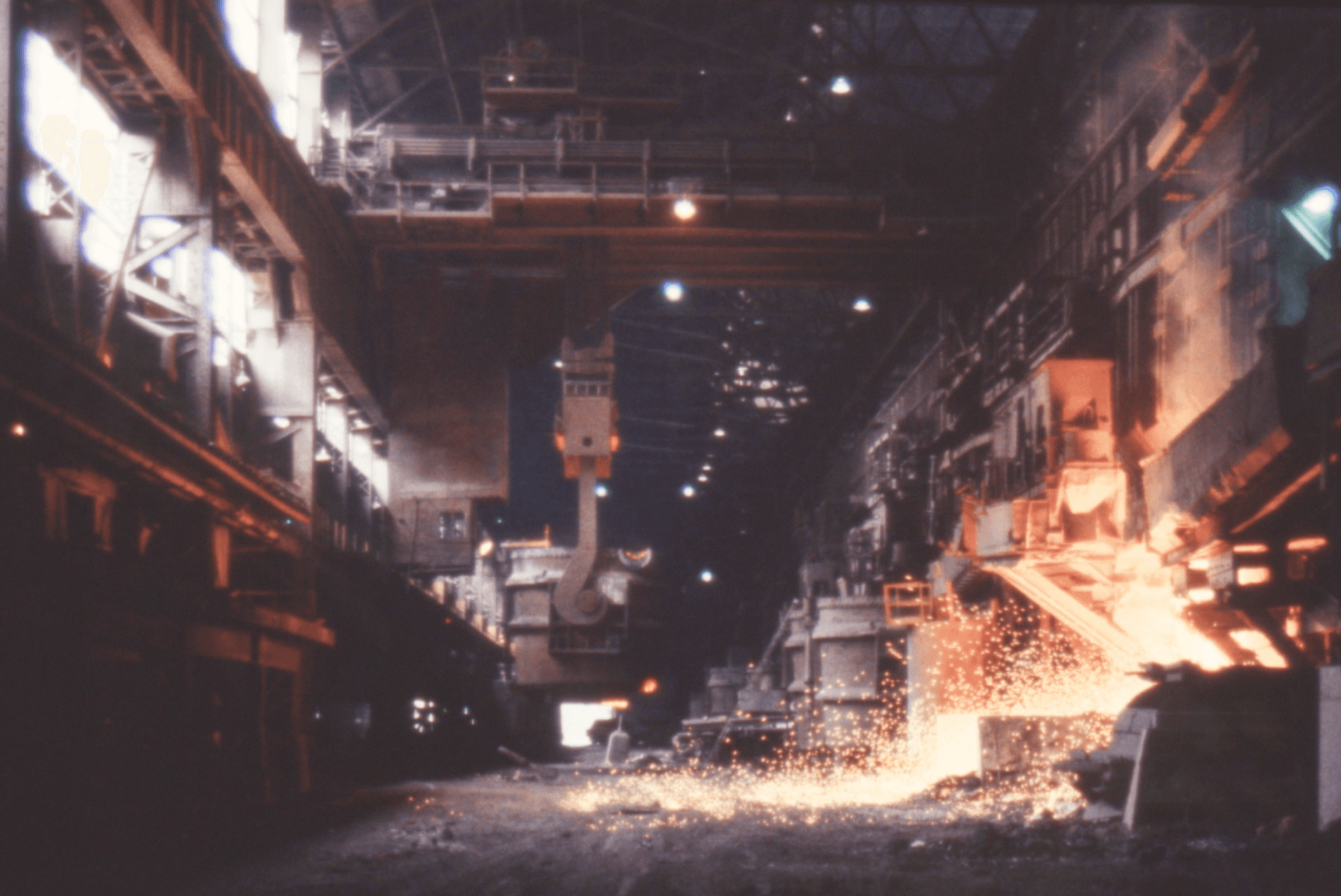
Pittsburgh was put on the map after the discovery of a large coal seam along the Monongahela River in the 1760s. By the mid-19th century, Pittsburgh became synonymous with industrialization and steel production. The city’s abundant coal supply, transformed into coke, fueled iron furnaces and a steel empire that continues to define the city even after the steel bust in the 1980s.
0
25
50
75
100
1850
1860
1870
1880
1890
1900
1910
1920
1930
1940
1950
1970
1960
1980
1990
2025
2000
2005
2010
2015
2020
100,000
0
200,000
300,000
400,000
500,000
600,000
700,000
800,000
100,000
0
200,000
300,000
400,000
500,000
600,000
700,000
800,000
50
0
100
150
200
250
300
1860s
The Civil War significantly increases demand for iron, laying the foundation for the massive industrial expansion that follows in the 1870s and 1880s.
2016
Shenango Coke Works closes with immediate health improvements.
2025
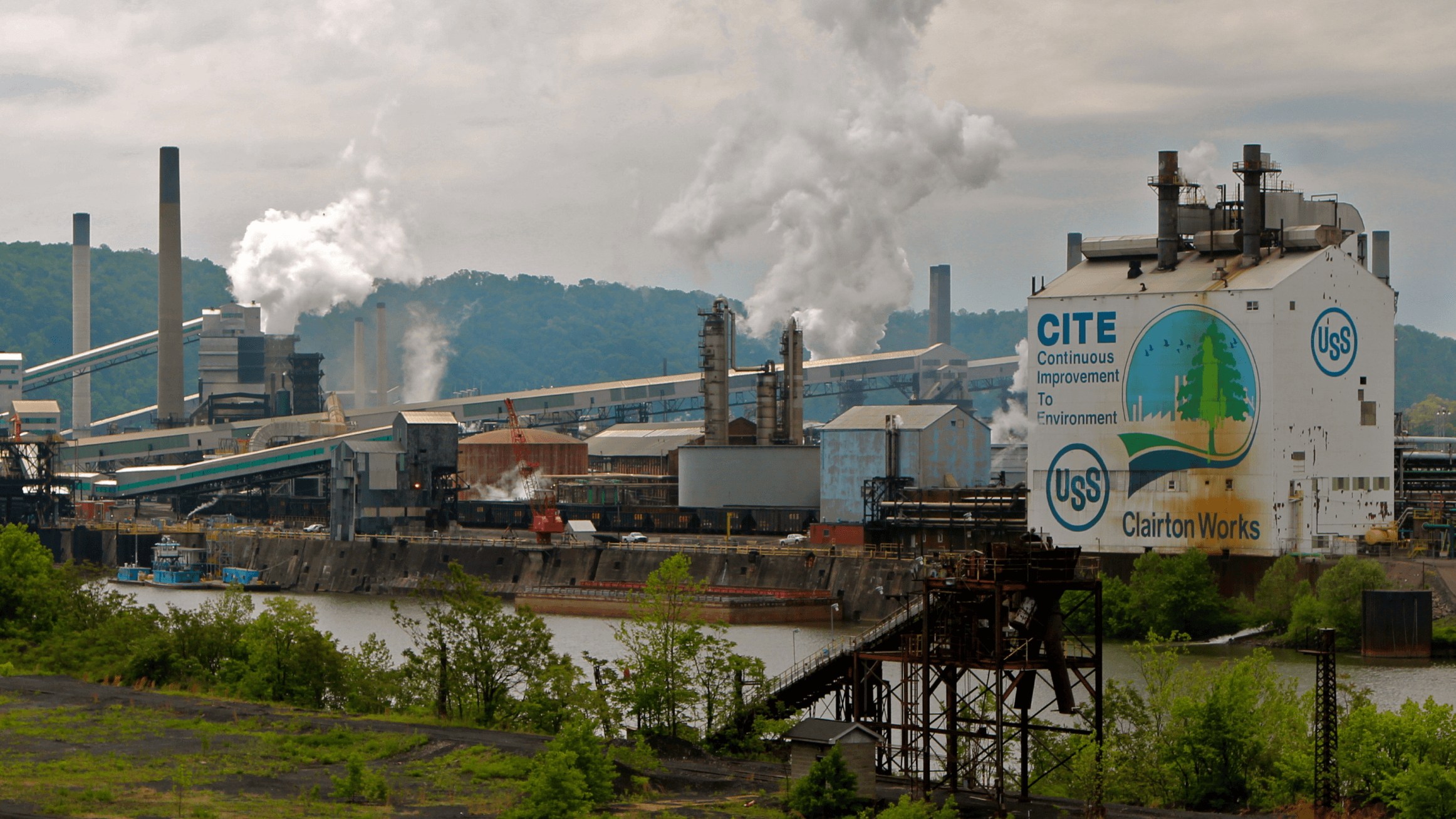
An explosion at Clairton Coke Works kills 2 people.
1875
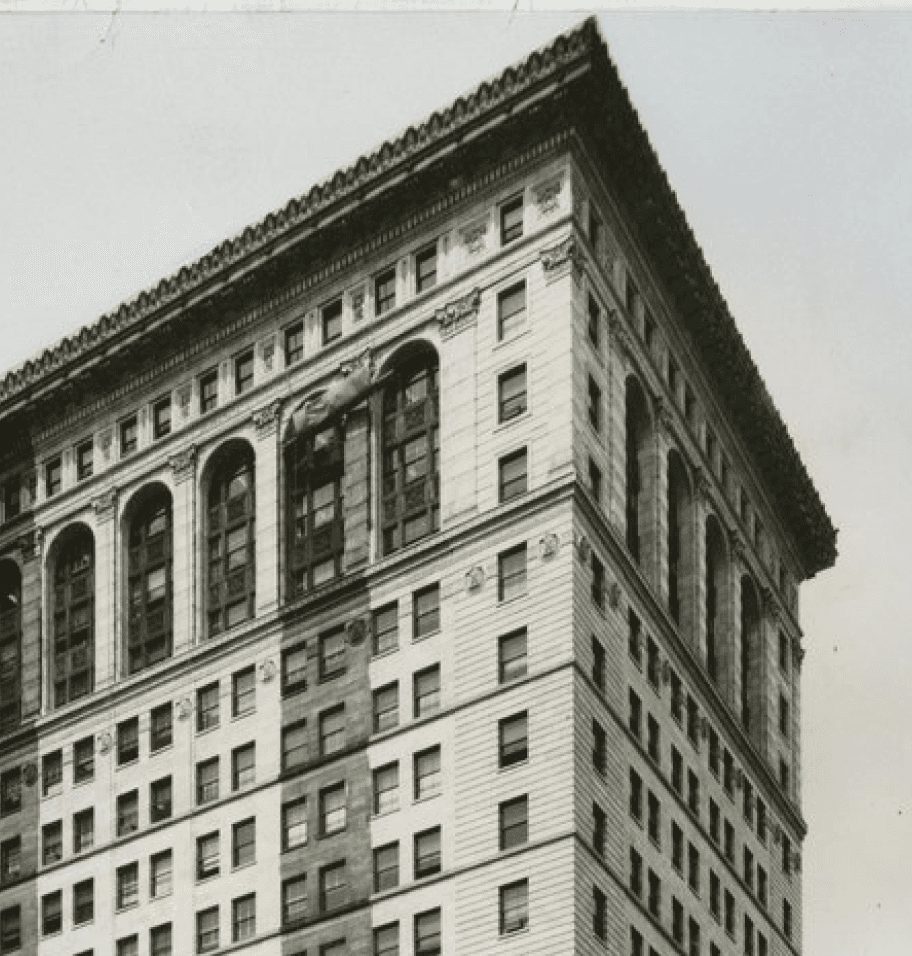
Carnegie Steel is founded and its first steel plant, the Edgar Thomson Steel Works, opens in 1875.
Late 1800s
Pittsburgh becomes known
as “The Smoky City” and “Hell with the lid blown off.”
June 20, 1906
September 1, 1912, Edgar Thomson Works
1940s Building Soot
June 1982, Homestead Works
March 5, 2019, Clairton Coke Works
2013, Clairton Coke Works
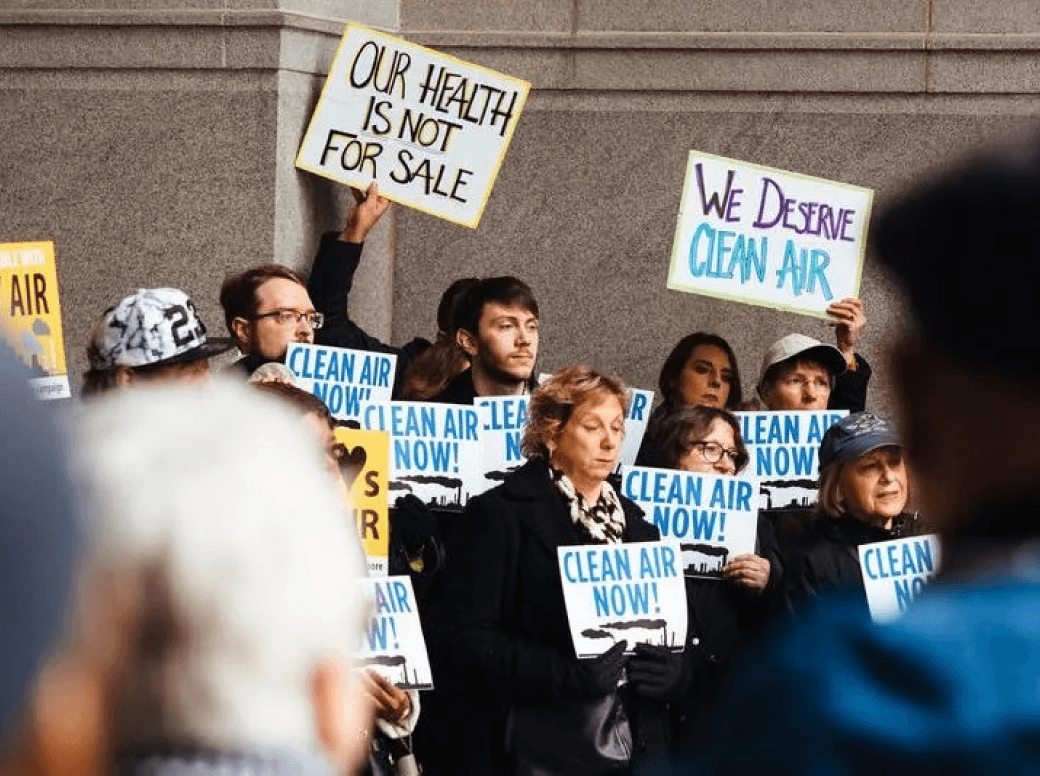
2020, Air Quality Protest
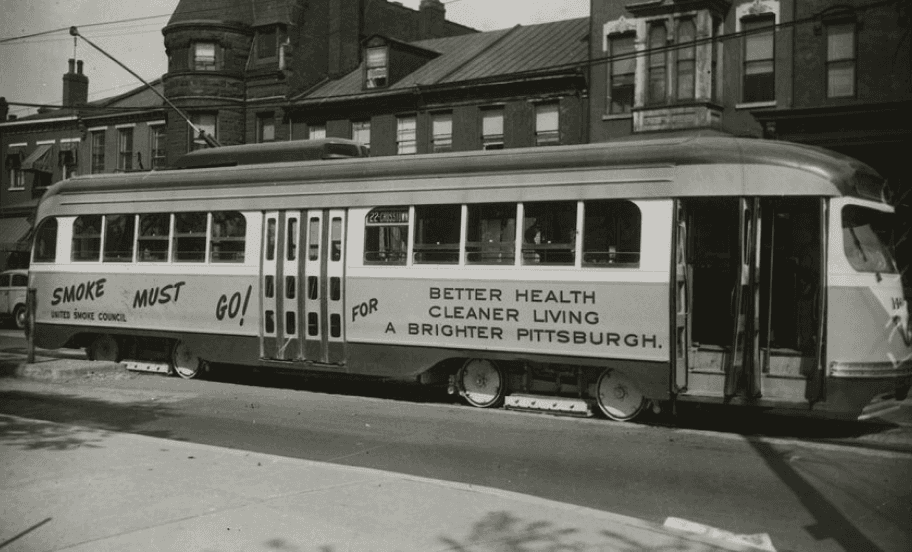
1940s Air Campaign
1916
U.S. Steel opens Clairton Coke Works, which later becomes the region’s primary polluter.
1948
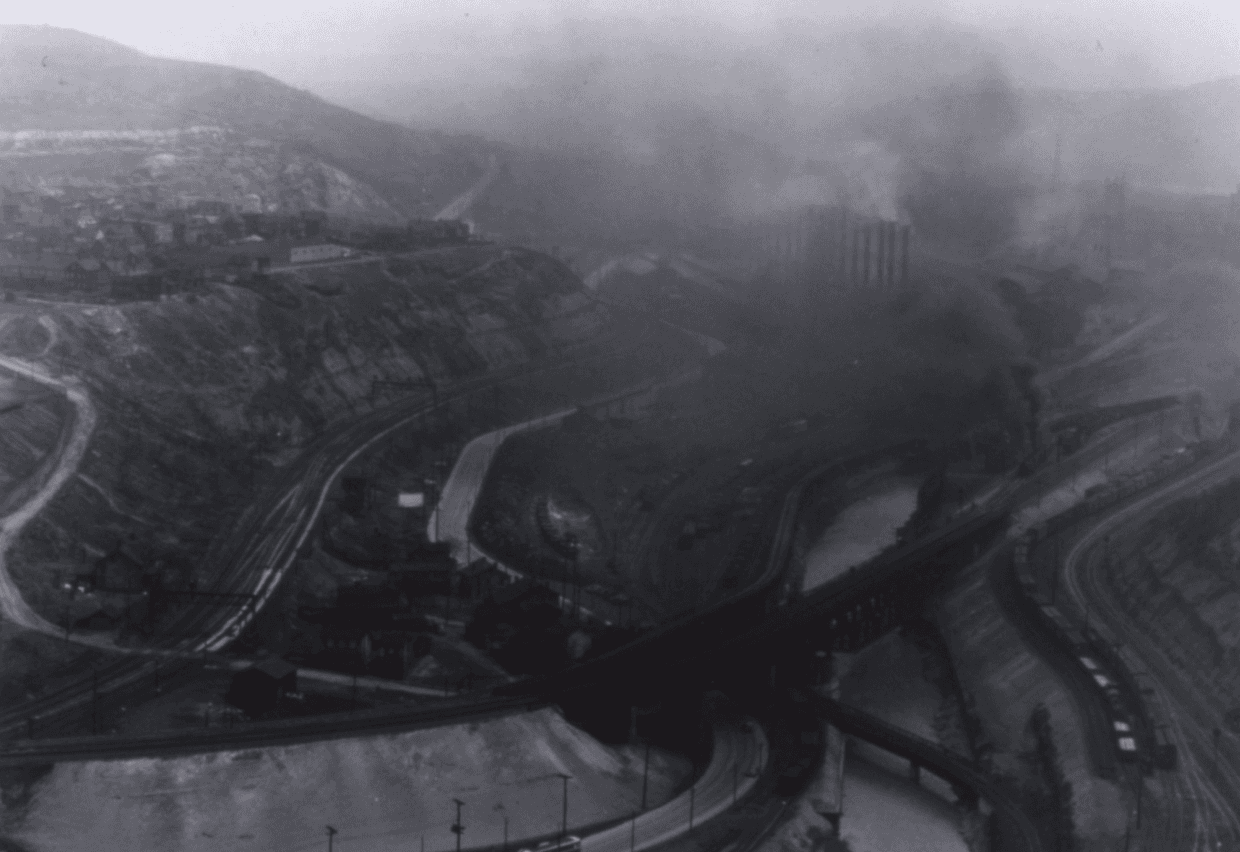
The Donora smoke inversion kills more than 20 people and turns the public against smoke.
Daytime soot is so heavy, streetlights are on 24 hours a day.
1970
The Clean Air Act and deindustrialization begin to improve smoke pollution.
1980s
The steel industry begins to collapse, with plants closing and 175,000 job losses.
1999
Allegheny County begins “modern” air quality monitoring with the expansion of PM2.5 monitoring and the adoption of the Air Quality Index (AQI).
1949
Allegheny County smoke ordinance passes in response to the Donora smoke inversion.
PITTSBURGH POPULATION
COAL PRODUCTION
steel mill closes
How to Read
Open Mills [1850]
steel mill opens
Data from ResearchGate, 2024
N
map 11
map 2.5
map3
map 2
map3.5
map4
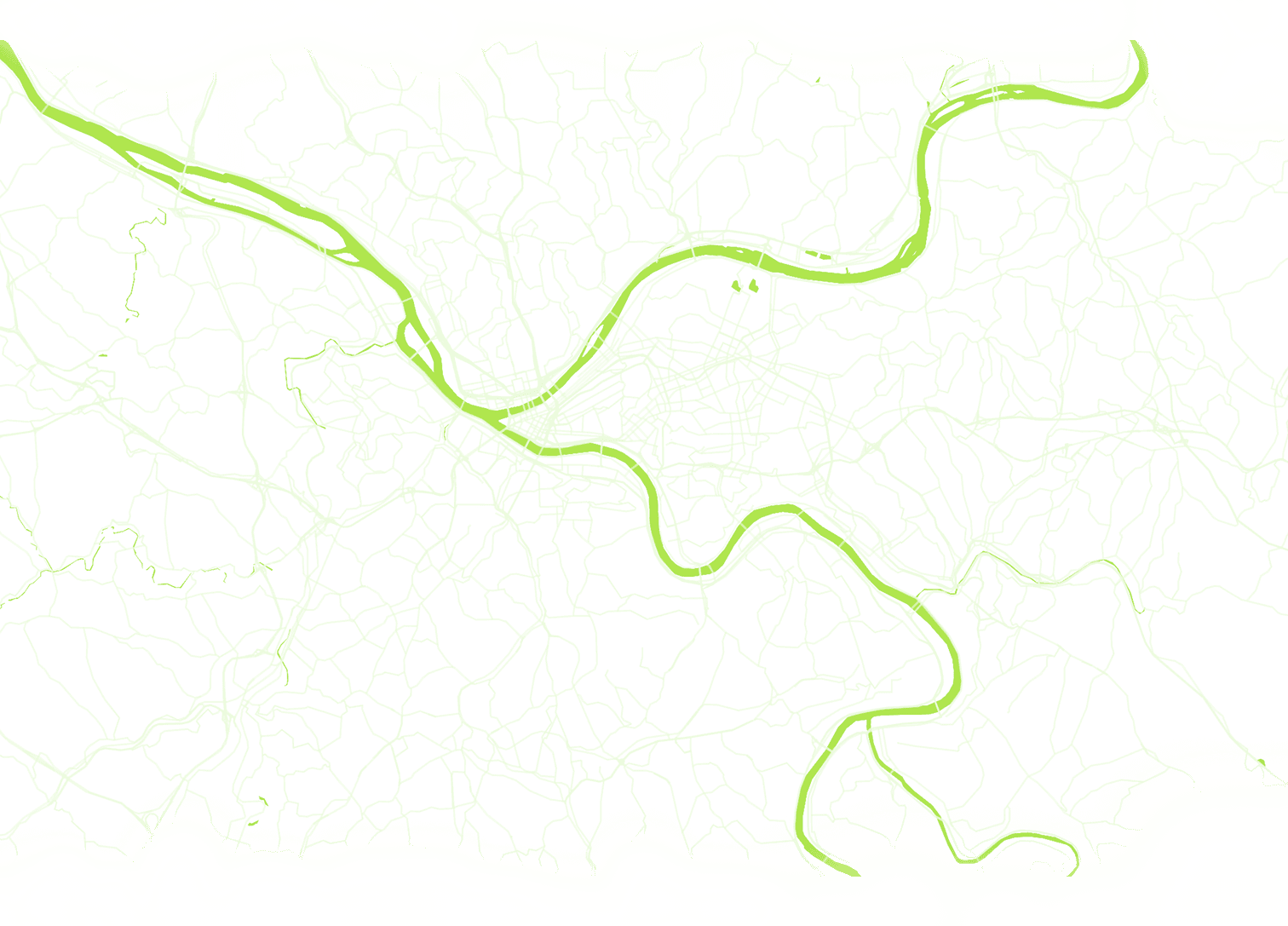
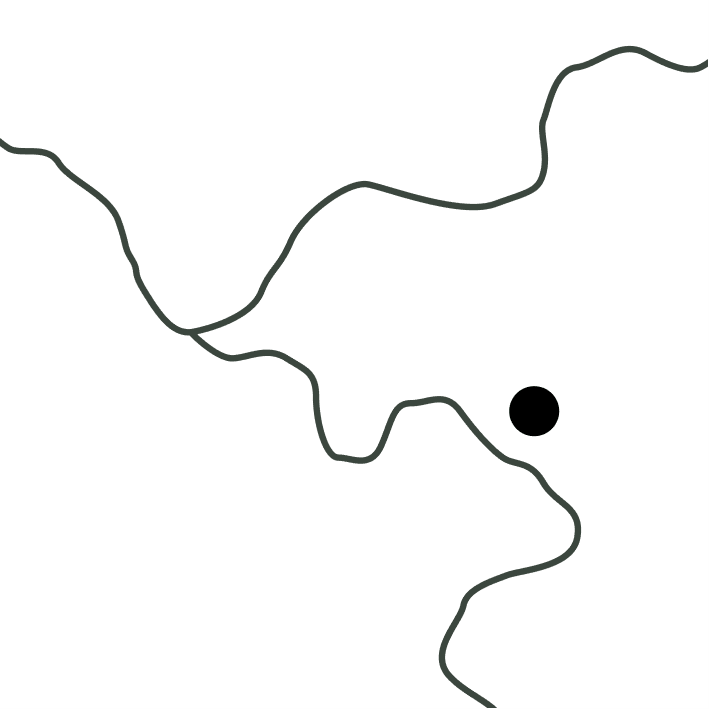
The Allegheny County Health Department (ACHD) maintains a network of air quality monitors [ ] across the county. These locations are chosen deliberately to answer different questions about the air.
Another key source of air pollution is road emissions.
Parkway East specifically records emissions from Interstate 376, a major freeway running through the city.
The number most people see—the Air Quality Index, or AQI—simplifies a much more complex system of air quality monitoring.
It clarifies whether the air is safe to breathe, but it doesn’t explain which pollutants are most harmful, and who is most affected.
Air Quality Monitoring
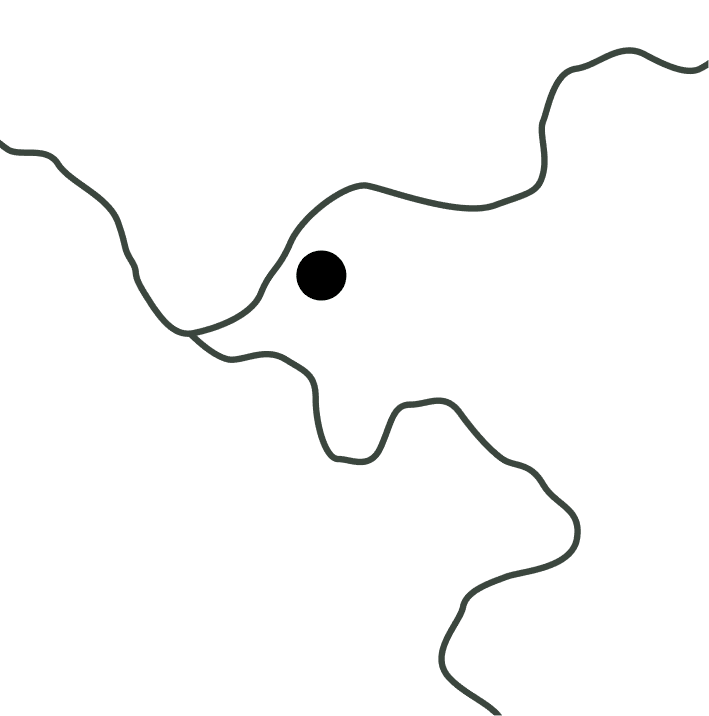
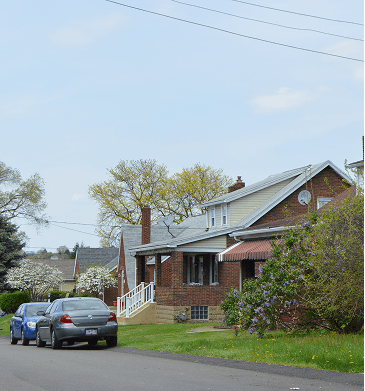
Air quality monitors are also placed near dense population hot spots to track pollution exposures. Lawrenceville is a dense suburban area tracked for population exposure.
map4.5
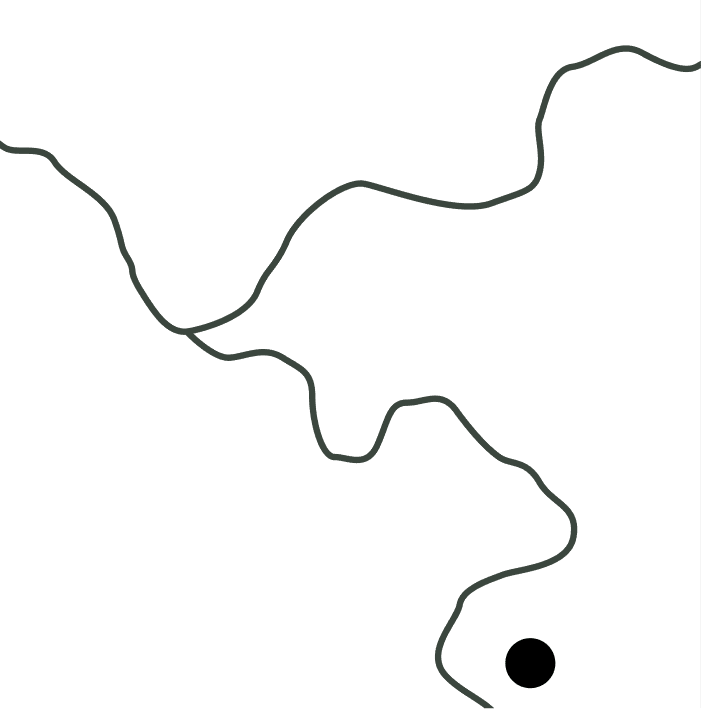
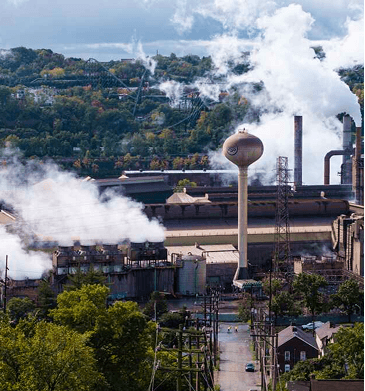
There are three main active steel plants [ ] in the Monangahela Valley: Irvin Works, Edgar Thomson Works, and Clairton Coke Works.
These plants are the largest industrial emitters in Pittsburgh, so the surrounding air quality is closely monitored.
Clairton, Liberty, Glassport, and North Braddock bear the brunt of industrial emissions from these plants.
The Pollutants
The Allegheny County Health Department tracks criteria pollutants, pollutants that are known to cause harm to health and the environment. The six criteria pollutants are ozone, particulate matter, carbon monoxide, lead, sulfur dioxide, and nitrogen dioxide. The Environmental Protection Agency sets National Ambient Air Quality Standards (NAAQS) for these pollutants.
Allegheny County also tracks hydrogen sulfide, black carbon, and toxic metals, particularly in the Mon Valley area where industrial pollution is prevalent.
PM2.5
Particulate Matter
(> 2.5 micrometers)
PM10
Particulate Matter
(> 10 micrometers)
SO2
Sulfur Dioxide
O3
Ozone
NO2
Nitrogen Dioxide
CO
Carbon Monoxide
These visualizations will focus on a few key pollutants.
But not every monitor tracks every pollutant, because each site is different. Some pollutants come from traffic, others from industry, and others from the atmosphere. Monitors track pollutants where they most occur.
Let’s compare what is tracked at two monitoring sites.
Lawrenceville
Lawrenceville is a dense residential area, so it tracks many pollutants to monitor everyday exposure to the population.
NO2
SO2
O3
CO
PM10
PM2.5
H2S
Pollutant
Monitored
Liberty
Liberty, near major industrial sources like Clairton Coke Works, is designed to capture industrial pollution exposures.
NO2
SO2
O3
CO
PM10
PM2.5
H2S
Pollutant
Monitored
Air Quality Index
All of this data is condensed into a single number: the Air Quality Index. AQI is designed to answer a simple question: Is the air safe to breathe right now?
How AQI is calculated:
Monitors collect pollutant concentrations at every hour.
The Environmental Protection Agency sets “breakpoints”(concentrations) for each pollutant that define the boundaries between the six AQI categories (e.g., 50, 100, 150).
[ ]
[ ]
[ ]
[ ]
[ ]
[ ]
0-50
Good
50-100
Moderate
100-150
Unhealthy for Sensitive Groups
150-200
Unhealthy
200-300
Very Unhealthy
300-400
Hazardous
A formula converts the raw pollutant concentrations into AQI categories using the determined thresholds and tracking periods for each pollutant.
Try it here:
is regulated in [ ] hour averages.
It is tracked in [ ].
The AQI is calculated for all of the tracked pollutants. The highest AQI is set as the monitoring site’s AQI, with the driving pollutant recorded as the dominant pollutant.
85 PM2.5
24 SO2
12 NO2
56 O3
AQI:
85
Unusually sensitive people should reduce outdoor exertion, but air is acceptable.
Moderate
Category:
PM2.5
Pollutant:
Action:
AQI is designed to simplify a complicated system of pollutants, each with different units and measuring periods. It typically reflects whichever pollutant is highest at a given time—often PM2.5 or ozone—and it averages conditions over time. This simplicity is useful in that air quality becomes more accessible, but it also comes with trade-offs.
First, short-term spikes of harmful pollution get smoothed over by daily averages.
0
100
40
200
300
0:00
4:00
8:00
12:00
16:00
20:00
24:00
Data from WRPDC
Hourly Air Quality Data
Daily concentration
Hourly concentration
[8 AM]
[9 AM]
[10 AM]
[5 AM]
[6 AM]
[7 AM]
[11 AM]
[12 PM]
[1 PM]
[2 PM]
[3 PM]
[4 PM]
[5 PM]
[6 PM]
[7 PM]
[8 PM]
[9 PM]
[10 PM]
[11 PM]
[12 AM]
Clairton, 8:57 AM
Smell rating: [5]
“People (children) have to walk in this while experiencing breathing issues.”
South Side Flats, 9:31 AM
Smell rating: [4]
“Even smells inside the house today.”
Dormont, 7:40 AM
Smell rating: [4]
“Burning Plastic / Chemical Smell”
Clairton, 7:45 AM
Smell rating: [5]
“Rotten garbage!”
Clairton, 8:20 AM
Smell rating: [5]
“Would give it a 10 if possible. Absolutely horrible thick haze. Can’t see my neighbors’ houses.”
Upper St. Clair, 9:11 AM
Smell rating: [4]
“Very strong industrial smell throughout the air. Stronger than most other days when the smell is present.”
North Side, 9:58 AM
Smell rating: [5]
“GROSS BURNING PLASTIC RUBBER SULFUR CHEMICAL”
Clairton, 5:36 AM
Smell rating: [4]
“Rotten eggs”
Mount Washington, 7:39 AM
Smell rating: [5]
“Sore throat, burning eyes”
South Park, 8:16 AM
Smell rating: [5]
“Industrial sulfur”
North Side, 10:15 AM
Smell rating: [5]
“It is so strong today I can smell it inside of my house with all of my windows and doors closed.”
North Side, 12:13 PM
Smell rating: [5]
“GROSS—UNHEALTHY”
Munhall, 12:42 PM
Smell rating: [4]
“Sulfur. Same as for the whole entire 7 years I've lived here. When will USS be held accountable?”
Dormont, 2:41 PM
Smell rating: [5]
“It absolutely reeks of industrial pollution!!”
Dormont, 2:17 PM
Smell rating: [4]
“Industrial”
Squirrel Hill, 6:04 PM
Smell rating: [3]
“Chemical”
Braddock Hills, 7:28 PM
Smell rating: [4]
“Smells like burning rubber”
Squirrel Hill, 11:15 PM
Smell rating: [5]
“It’s like permeating the walls.”
Whitehall, 7:50 PM
Smell rating: [5]
“Even kids saying,
“Ew what’s that smell””
[ February 9, 2026 ]
Across Allegheny County, air quality might appear acceptable overall. But when you look closer, the experience can vary widely across the region. February 9 serves as a case study of this disparity.
This is what residents had to say about the air in the app Smell Pittsburgh, where residents self-report how the air smells near them.
*Brighter green represents periods of worse pollution.
Let’s zoom in on one day:
Avalon
Clairton
Glassport
Harrison
Lawrenceville
Liberty
North Braddock
Parkway East
South Fayette
0
25
50
75
100
125
Good
Moderate
Unhealthy for Sensitive Groups
PM2.5
Dominant pollutant
PM10
Data from WRPDC
Daily Air Quality Data
Let’s see how pollution differs across the county on February 9.


Living with Pollution
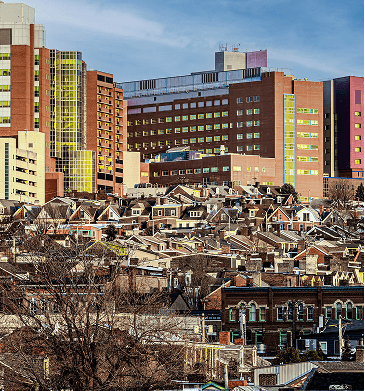
Air pollution is more than just an AQI number on your weather app—it is in the air we breathe every day, and it's not evenly distributed. Those living near industrial sites or busy highways experience worse air pollution, and children, older adults, and individuals with asthma or heart conditions face even higher risks. Small increases in pollution—when experienced repeatedly over time—can lead to serious, long-term consequences.
Understanding air quality risks means looking beyond averages. Everyone, but especially those most affected geographically or because of preexisting health conditions, should pay attention to specific locations and pollutants, and recognize how conditions change throughout the day. Only by seeing these finer details can we better protect our health and make informed decisions about the air.
Data sources: Western Pennsylvania Regional Data Center (WPRDC) air quality hourly and daily data, Environmental Protection Agency (EPA) annual data, Allegheny County Health Department 2023 Annual Air Quality Report, Smell Pittsburgh, 2026 ACHD Air Quality Monitoring Plan, WPRDC 2020 census data
Photo sources: Eugene Levy Collection via CMU Archives, Heinz History Center, Roy Luck, Justin Merriman
Written, curated, and designed by Michele Hratko, Spring 2026
Additional Air Quality Monitoring Resources